Over Twenty five years
of coaching experience.
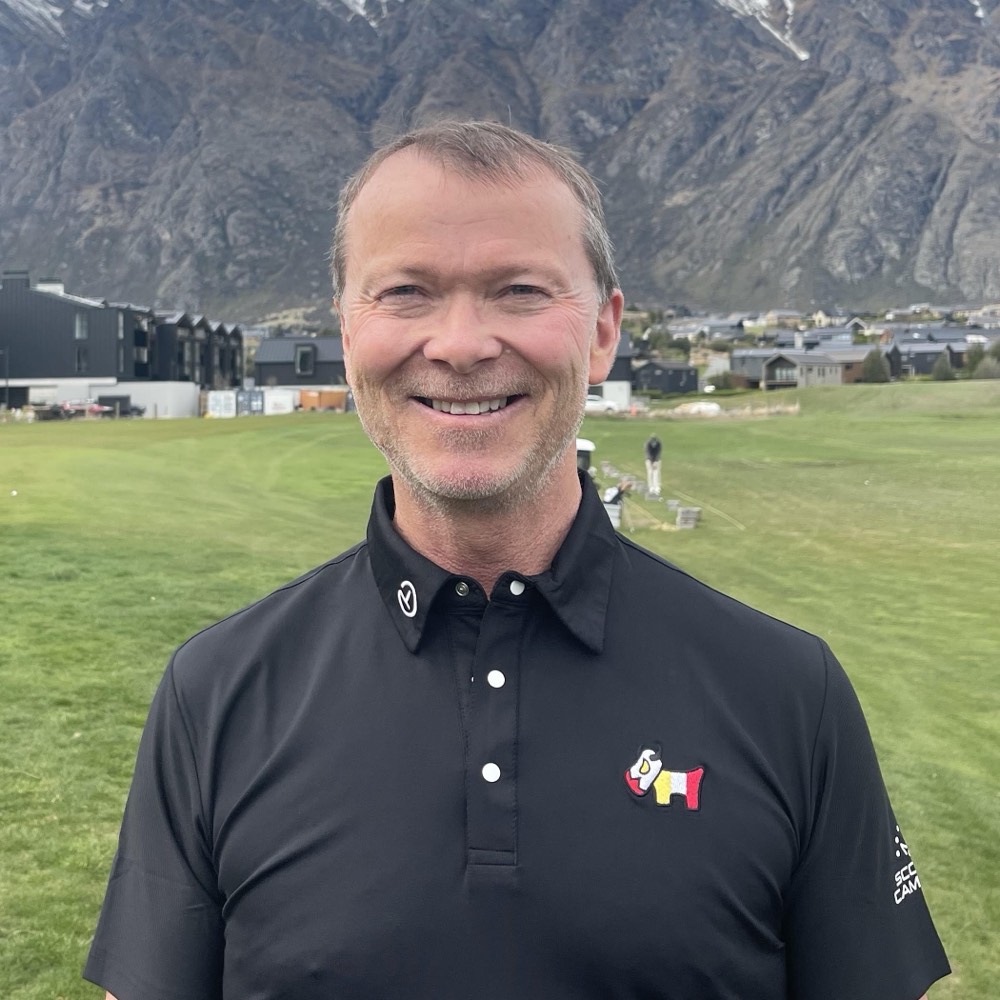
I was born in 1971 and grew up in Winton, a rural farming town in Southland. I loved playing and being very competitive in all the typical sports that Kiwi kids play. I didn't get serious about golf till my mid-late teens. I worked hard to get my handicap down to scratch after grinding for a few years. The highlight of my amateur career was winning the Central Otago Champs when it was held over two rounds at the Arrowtown Golf Course. Shooting par was good enough to get the job done back then, but I had the instinct to realise that a scratch handicap as an amateur wasn't good enough to make a living in the game as a player.
Growing up I always gravitated towards helping others and I developed an interest in athletic movement patterns particularly the biomechanics involved in the golf swing. These two attributes helped me when I was presented an opportunity to complete my PGA traineeship at the Queenstown Golf Club where four years later in 2003 I graduated as an inexperienced albeit fully qualified member of the New Zealand PGA.
I've been lucky since then to have gained a lot of golf coaching experience in countries around the world. I've worked along side tour Professionals and a world class performance coach. I understand modern coaching trends and have developed my coaching skills to a level where I can now deliver the best results for every one of my students. My wife Debs and I returned to New Zealand in 2022 after a dozen years in Brisbane to be closer to our family in Queenstown.
Bevan Kidd

Professional Golfers' Association of New ZealandTeaching Professional
How I coach.
I understand the commitment of time and money from everyone that takes a golf lesson from me, and I take that responsibility seriously. The following provides a little insight into some of my swing preferences which I hope will help those who are looking to take golf lessons with me.
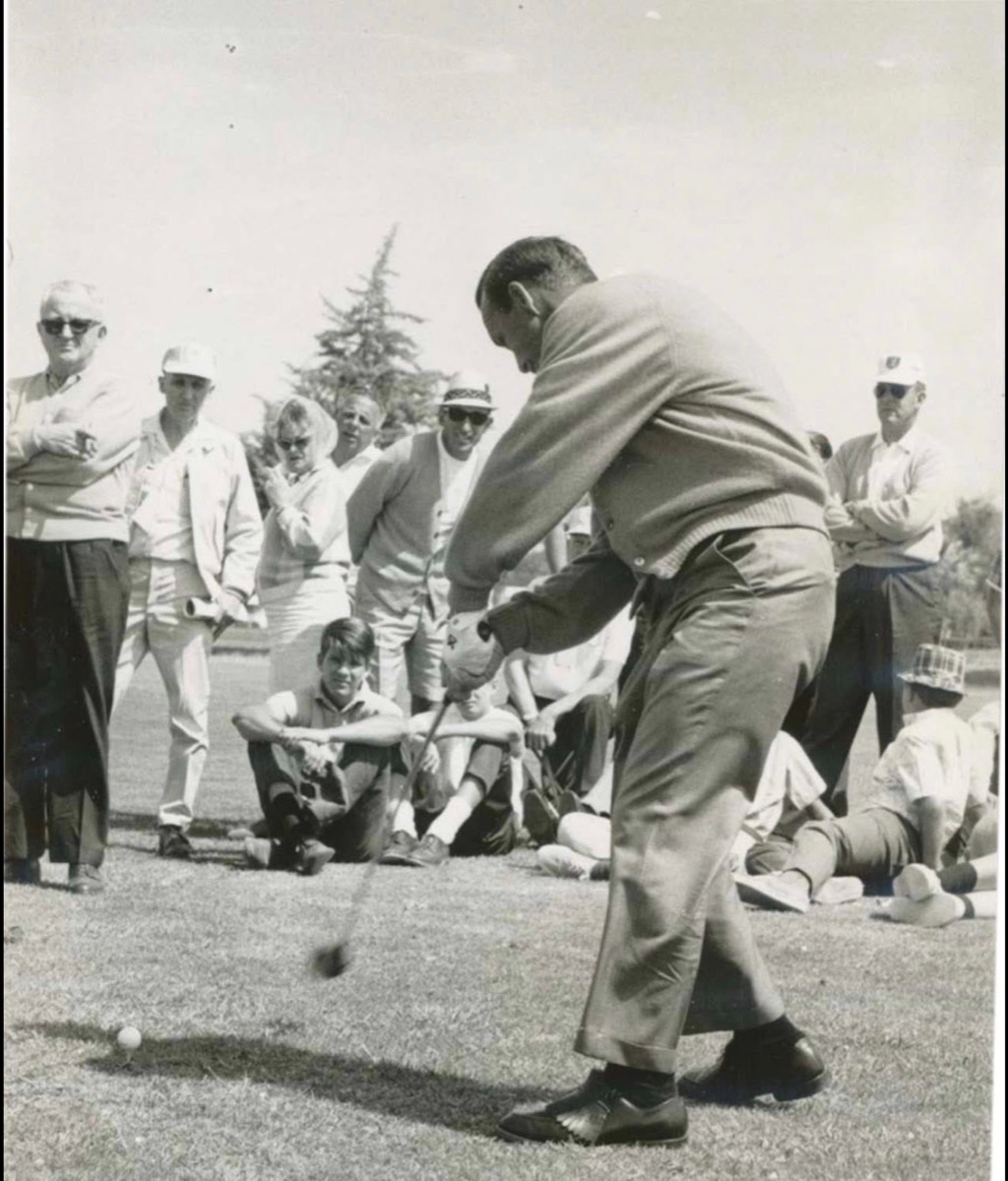
I teach movement patterns which can be seen in other activities. It helps to understand that the golf swing is closely related to a softball / baseball player hitting a pitch, an axeman striking a hefty blow into a tree or the action of skipping a flat stone across a pond. The swing style I coach incorporates movement patterns which do not produce undue stress on the wrong parts of your body. My students are taught a golf swing with little to no lateral side bend, therefore producing zero stress in the lumbar spine area. The top part of a tall tree can move around freely in a strong breeze, but if the bottom starts to move we've got a big problem. Our backs work in a similar way.
I've included a few concepts here which I hope will give potential students an insight into some of my golf swing preferences.
I like a more upright posture (extension state) at address, with the weight distributed forward towards the balls of the feet, and I encourage natural scapular protraction (slightly rounded shoulders) at address.
These set up characteristics allow for an efficient turn through the loading phase of the backswing without compromising body angles.
The pelvis drops (moves into flexion) in transition and through the unloading phase of the downswing as the chest continues to turn.
Fascia tissue in the upper and mid section of the body follows a distinct pattern, and the best swings allow these fascia bands to be utilised and stretched correctly.
I teach my students to have a stronger lead hand grip.
Not only the position of the hand on the club (knuckles facing upwards and wrist in extension) but further up the chain in the shoulder joint and the forearm also. This grip contributes to a full upward (radial deviation) loading in the wrist joint and it promotes better clubface stability throughout the strike and beyond due to the chest rotation, not the arms being responsible for the squaring of the club face.
I like to see a full upper body turn and a shorter arm swing throughout the backswing.
Rib sway and chest rotation when combined with pelvic drop promotes optimal clubface stability throughout the strike.
My students are taught that the appropriate shallowing movement of the club is created by the lead shoulder moving into internal rotation throughout the transition stage of the swing and into the downswing.
Knuckles up through the strike is a little mantra of mine which works in tandem with the stronger grip at address.
I tell my students that we work hard to be flexion turners, not extension tilters.
Why? It's better for your body, and the consistency of the strike is unmatched when the chest turns and the club is working more perpendicular to this tilted spine angle.
If this all sounds a bit too technical please don't worry. I realise students don't necessarily need to know all of this stuff! To improve your current level of play and get your game to the next level I think understanding a little about these movement patterns can help golfers to improve a lot.
The technical stuff